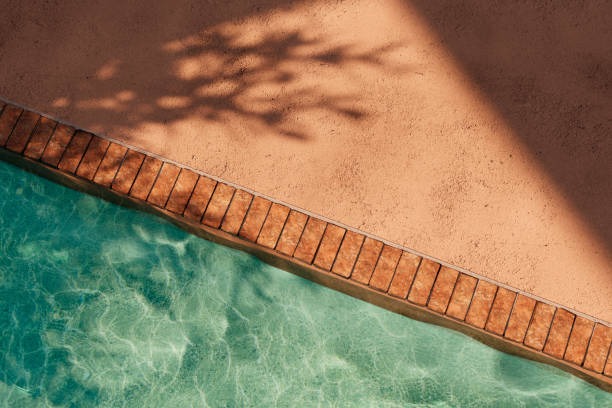
Creating the ideal custom pool shape is a meticulous process that requires careful planning and consideration. One of the most critical steps in this process is proper site evaluation, which serves as the foundation for designing a pool that not only meets aesthetic desires but also complements the unique characteristics of your property.
Site evaluation begins with a comprehensive analysis of the available space. This involves measuring dimensions, assessing topography, and identifying any existing structures or landscaping features that might influence the pool’s design. By understanding these spatial constraints and opportunities, designers can create a pool shape that maximizes utility while harmonizing with its surroundings.
The next step in site evaluation involves examining soil conditions. Soil composition Nassau Pools and Spas stability are crucial factors in determining where and how to construct a pool. Certain soil types may require additional reinforcement or specific construction techniques to ensure long-term durability. For instance, clay-heavy soils might necessitate deeper excavation or special drainage systems to prevent water retention issues that could compromise the pool’s integrity over time.
Additionally, evaluating sun exposure is essential for optimizing comfort and energy efficiency. A well-placed pool takes advantage of natural sunlight throughout the day while providing shaded areas for respite during peak heat hours. Understanding sun patterns helps in orienting features such as tanning ledges or shallow lounging areas where users can relax comfortably without excessive exposure to direct sunlight.
Another vital aspect of site evaluation is considering access points for construction equipment and future maintenance needs. Ensuring adequate space for machinery during installation prevents unnecessary damage to landscapes or structures surrounding the proposed area. Moreover, planning for easy access facilitates routine maintenance tasks like cleaning, repairs, or upgrades down the line.
Environmental factors also play an influential role in shaping a custom pool design during site assessment phases. Local climate conditions dictate necessary features such as heating systems or covers needed seasonally—features integral not just from an operational standpoint but also affecting overall shape considerations based on functionality requirements year-round.