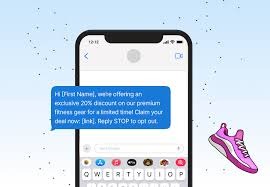
SMS verifications have become an integral part of online security protocols, serving as a reliable method to confirm account ownership. In the digital age, where cyber threats are ever-evolving and personal data is at risk, ensuring that only authorized individuals can access personal accounts is paramount. SMS verification offers a simple yet effective solution by leveraging something nearly everyone possesses: a mobile phone.
When users sign up for a new service or attempt to access their existing accounts from unfamiliar devices or locations, they often encounter the SMS verification process. This typically involves sending a unique code via text message to the user’s registered mobile number. The user must then enter this code into the application or website to verify their identity and proceed with their actions.
One of the primary advantages of SMS verification is its accessibility. Most people carry their phones with them at all times, making it convenient for users to receive these codes promptly. Travel eSIM Unlike email verifications that may go unnoticed in spam folders or require additional steps like logging into another account, SMS messages are usually delivered instantly and directly to the user’s attention.
Moreover, SMS verification adds an extra layer of security known as two-factor authentication (2FA). By requiring both something the user knows (a password) and something they have (a mobile device), it significantly reduces the risk of unauthorized access. Even if someone manages to obtain a user’s password through phishing or other means, without possession of the corresponding mobile device for receiving verification codes, accessing that account becomes exceedingly difficult.
However, while SMS verifications enhance security measures considerably, they are not entirely foolproof. Cybercriminals have developed sophisticated techniques such as SIM swapping—wherein they trick telecom providers into transferring a victim’s phone number to a new SIM card under their control—to intercept these messages. Despite this vulnerability, many companies continue using SMS due to its balance between convenience and security compared with alternatives like hardware tokens or biometric systems which may be less accessible globally.
In addition to bolstering security during login attempts from unrecognized devices or locations—thereby protecting against potential breaches—SMS verifications also serve practical purposes within applications themselves; whether resetting forgotten passwords securely without needing customer support intervention; confirming changes made within profiles swiftly; authorizing sensitive transactions efficiently etc., thereby enhancing overall user experience alongside safeguarding accounts effectively against misuse/fraudulent activities.
In conclusion: As technology advances rapidly alongside increasing reliance upon digital platforms across various sectors worldwide today – safeguarding individual privacy/data integrity remains critical priority hence why implementing robust mechanisms such as employing versatile tool like sms-based authentications proves invaluable ensuring rightful ownership/accessibility continues being maintained consistently over time amidst evolving threat landscape present day contextually speaking indeed!