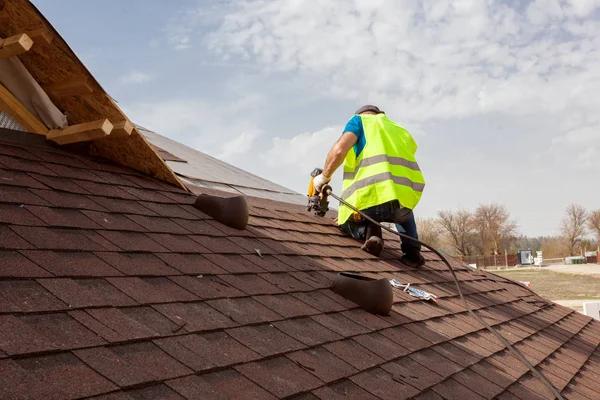
As storm season approaches, homeowners in coastal regions must prepare their properties to withstand the harsh conditions that can accompany severe weather. A critical aspect of this preparation involves ensuring that your roof is ready to handle high winds, heavy rains, and other potential hazards. Here are essential tips every homeowner should include in their coastal roofing checklist before the storm season begins.
First and foremost, a thorough inspection of your roof is crucial. This should be done well ahead of any impending storms to allow ample time for repairs if needed. Look for signs of wear and tear such as cracked or missing shingles, loose nails, or damaged flashing around chimneys and vents. These vulnerabilities can lead to leaks and further damage during a storm.
Engaging a professional roofer for an inspection is highly recommended as they have the expertise to identify issues that might not be apparent to an untrained eye. They can also provide valuable advice on necessary repairs or upgrades specific to your region’s climate challenges.
Another key consideration is the age of your roof. If it’s nearing the end of its expected lifespan—typically 20-25 years for asphalt shingles—it may be wise to consider replacement rather than repair. Modern roofing materials offer enhanced durability against extreme weather conditions common in coastal areas.
Ensure gutters and downspouts are clear from debris such as leaves and branches which could impede water flow off the roof during heavy rainfalls. Clogged gutters increase the risk of water backing up under your roofing material, leading to leaks inside your home.
In addition, trimming overhanging trees near your house reduces the likelihood of branches breaking off during strong winds and damaging your roof or clogging gutters with debris.
Securing loose items like patio furniture or garden tools before a storm hits minimizes chances they’ll become airborne projectiles capable of striking roofs with significant force causing unexpected damage.
Investing in hurricane straps if you live in particularly vulnerable zones strengthens connections between different parts of structural framework helping keep everything intact even under intense pressure from wind gusts associated with hurricanes typical along coastlines worldwide today read more frequently than ever due largely climate change impacts being felt globally now increasingly so annually without fail it seems unfortunately enough already sadly true factually speaking indeed yes alas!