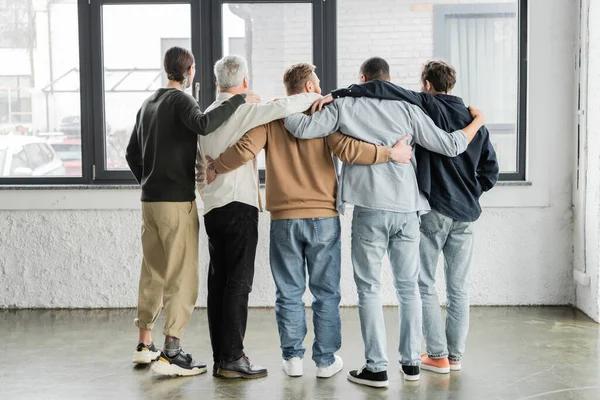
Alcohol rehabilitation programs play a crucial role in helping individuals achieve lasting behavioral change by addressing the underlying causes of addiction and providing comprehensive support throughout recovery. Effective rehab solutions focus not only on detoxification but also on equipping patients with the tools necessary to maintain sobriety and rebuild their lives. The process typically begins with an assessment to identify the severity of alcohol dependence, co-occurring mental health issues, and personal circumstances that may influence treatment outcomes. This evaluation allows clinicians to design personalized treatment plans tailored to each individual’s needs.
Medically supervised detox is often the first step in rehab, ensuring safe withdrawal from alcohol while managing physical symptoms and preventing complications. Following detox, therapy becomes central to fostering behavioral change. Cognitive-behavioral therapy (CBT) is widely used in alcohol rehab as read more about it on this page helps individuals recognize patterns of thought and behavior that contribute to drinking habits. By learning healthier coping mechanisms, patients can reduce cravings and avoid triggers associated with relapse. In addition to CBT, motivational interviewing encourages self-reflection and strengthens commitment to recovery goals.
Group therapy sessions provide valuable peer support where participants share experiences, challenges, and successes in a non-judgmental environment. This communal aspect often enhances motivation by reducing feelings of isolation commonly experienced during addiction recovery. Family counseling is another important component since rebuilding trust and improving communication within relationships can significantly impact long-term success.
Aftercare planning is essential for sustaining progress once formal treatment concludes. Many programs offer outpatient services such as ongoing counseling or participation in support groups like Alcoholics Anonymous (AA). These resources help reinforce new behaviors while offering accountability through continued social connection with others facing similar struggles.
Holistic approaches are increasingly integrated into rehab solutions due to their ability to address mind-body wellness comprehensively. Practices such as mindfulness meditation, yoga, nutritional guidance, and exercise complement traditional therapies by promoting overall health improvements that support mental clarity and emotional stability.
Ultimately, lasting behavioral change requires more than simply stopping alcohol use; it involves transforming one’s lifestyle through sustained effort across multiple dimensions of well-being. Successful alcohol rehabilitation combines medical care with psychological interventions tailored individually while fostering community engagement for ongoing encouragement post-treatment. With access to appropriate resources focused on both immediate safety during withdrawal and long-term skill development for resilience against relapse, individuals have a greater chance at achieving permanent recovery from alcoholism.