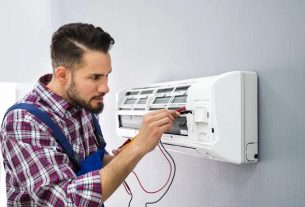
Preparing for an outlet replacement involves several key steps that can make the process smoother and more efficient, ensuring safety and readiness for when the technician arrives. These preparations are crucial not only to expedite the work but also to ensure that it is carried out safely and effectively.
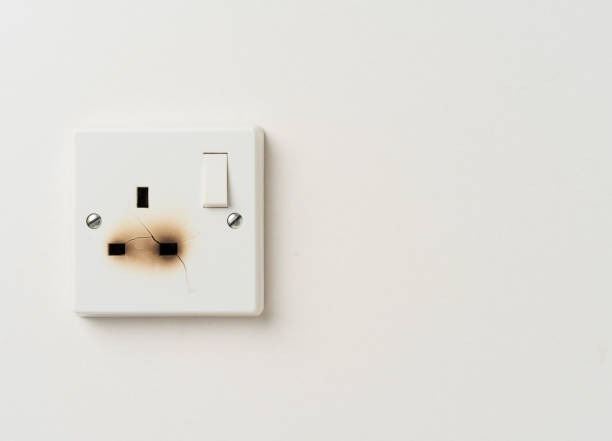
Firstly, identify all the outlets in your home that require replacement. This might involve checking for signs of wear and tear such as discoloration, cracking, or any unusual noises when plugging in devices. Outlets showing these signs often need attention sooner rather than later to prevent potential hazards like electrical fires.
Once you have identified find the source here outlets needing replacement, clear the area around them. Move furniture away from walls where outlets are located to provide easy access for the technician. This step is essential as it allows ample space for tools and equipment necessary for replacing outlets without risking damage to your belongings.
Next, ensure you know which circuit breaker controls each outlet needing replacement. Labeling your circuit breaker panel correctly is a helpful practice if not already done. Before any work begins on replacing an outlet, turn off power at the circuit breaker to prevent electrical shock or injury.
It’s also wise to gather information about your current electrical system beforehand. Knowing details such as whether your wiring supports three-prong grounded outlets or requires two-prong replacements can assist technicians in bringing appropriate materials with them, potentially speeding up their work.
In addition to preparing physically by clearing spaces and identifying circuits, consider preparing mentally by familiarizing yourself with basic electrical terms and concepts related to outlet replacement. Understanding what a ground wire does or why GFCI (Ground Fault Circuit Interrupter) outlets are important could help you communicate more effectively with technicians regarding specific concerns or requests during their visit.
Another preparatory step involves considering future needs; think about whether you’d like additional features such as USB ports integrated into new outlets being installed – now’s a good time!