When deciding between a mini split air conditioner and a central air conditioning system for your home, it’s important to consider factors such as installation, efficiency, cost, and the specific cooling needs of your space. Both systems offer effective ways to maintain comfortable indoor temperatures but differ significantly in design and application.
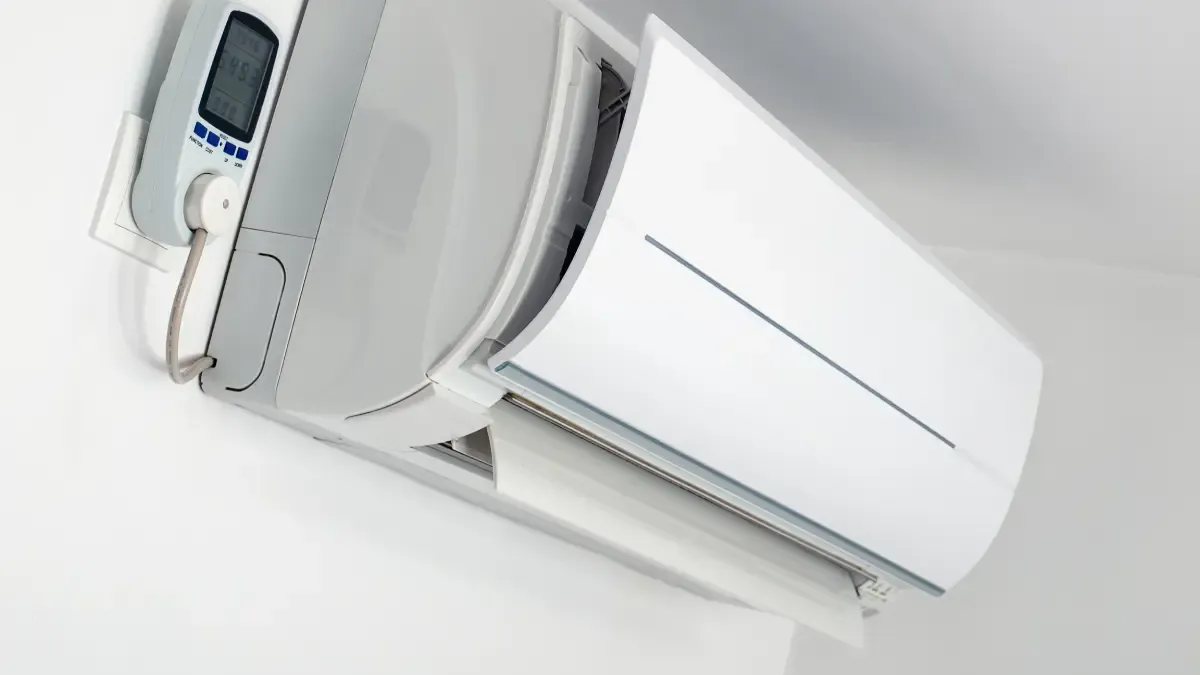
Mini split ACs are ductless systems that consist of an outdoor compressor unit connected to one or more indoor air handlers. These units can be installed in individual rooms or zones, allowing for targeted cooling. This zoning capability means you can cool only the spaces you use most often, which can lead to energy savings and lower utility bills. Mini splits are especially beneficial for homes without existing ductwork or those with difficult layouts where installing ducts would be costly or impractical. Additionally, mini splits tend to operate quietly and provide both heating and cooling options through heat pump technology.
Central AC systems rely on a network of ducts to distribute cooled air throughout the entire house from a single outdoor condenser unit paired with an indoor furnace or air handler. This setup is ideal for uniformly cooling larger homes where consistent temperature control across multiple rooms is desired. Central AC offers the convenience of centralized operation via thermostats placed in main living areas but may result in uneven temperatures if ductwork is poorly designed or maintained. The presence of ducts also means some energy loss through leaks or poor insulation unless properly sealed.
Installation costs vary between these two options; central AC systems generally require higher upfront investment due to extensive ductwork installation if not already present. On the other hand, mini splits usually have lower initial costs when adding cooling capabilities room by room but might become expensive if used throughout an entire large home because each additional zone requires its own indoor unit.
From an energy efficiency standpoint, mini splits often outperform central ACs since they avoid losses associated with duct transmission and allow selective zone control. However, modern high-efficiency central units combined with well-maintained ducts can also deliver excellent performance.
Choosing between mini split ac ultimately depends on your home’s size, layout complexity, budget constraints, and personal preferences regarding comfort control. If you need flexible zoning without major renovations or lack existing ducts, a mini split may be better suited for your needs. Conversely, if uniform whole-house cooling is preferred along with seamless integration into current HVAC setups featuring ducts already installed efficiently throughout your residence, then central air conditioning might be the optimal choice.
Evaluating these aspects carefully will help ensure that you select an air conditioning solution tailored specifically to enhance comfort while balancing cost-effectiveness over time within your living environment.