Poor ventilation in indoor environments is a significant concern that can lead to a multitude of problems, ranging from discomfort to serious health issues. Understanding the causes, effects, and potential health consequences of inadequate ventilation is crucial for creating healthier living and working spaces.
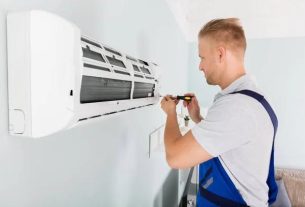
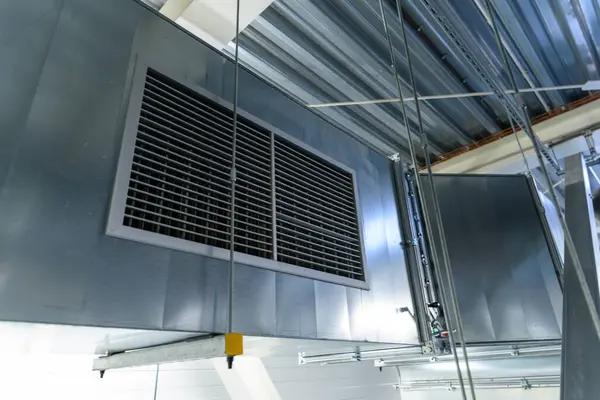
One primary cause of poor ventilation is the design and construction of buildings. Many modern structures are built with energy efficiency in mind but often at the expense of adequate airflow. Sealed windows, insufficient air exchange systems, and lack of natural ventilation contribute to stagnant indoor air. Additionally, improper maintenance of HVAC systems can exacerbate these issues by failing to circulate fresh air effectively.
The effects of poor ventilation are manifold. At its most basic level, it leads to an accumulation of pollutants such as dust, allergens, mold spores, volatile organic compounds (VOCs), and carbon dioxide (CO2). High levels of CO2 can result from human respiration when there is not enough fresh air being introduced into a space. This buildup deteriorates indoor air quality significantly.
Moreover, poor ventilation affects thermal comfort by making temperature regulation difficult. Spaces may become excessively hot or cold due to uneven distribution of conditioned air. This discomfort can reduce productivity dive in for more workplaces and diminish overall well-being in homes.
Health consequences associated with inadequate ventilation are particularly concerning. Prolonged exposure to polluted indoor air increases the risk of respiratory illnesses such as asthma and chronic obstructive pulmonary disease (COPD). Mold growth thrives in poorly ventilated areas with high humidity levels; inhaling mold spores can trigger allergic reactions or worsen existing respiratory conditions.
Furthermore, VOCs emitted from building materials and household products accumulate without proper airflow; prolonged exposure has been linked to headaches, dizziness, fatigue, and even cognitive impairments over time. In extreme cases where harmful gases like radon or carbon monoxide accumulate due to insufficient ventilation, life-threatening situations may arise if left unaddressed.
Addressing poor ventilation requires both immediate interventions and long-term strategies. Regular maintenance checks on HVAC systems ensure they function optimally while reducing pollutant buildup through routine cleaning practices helps maintain better indoor air quality consistently.